


Step into the enchanting realm of the handfasting ceremony, a ritual with roots stretching back through the ages. This ancient practice has seen a beautiful revival, becoming a beloved choice for modern weddings.
Born from the rich soils of Celtic and Pagan heritage, it’s a celebration steeped in symbolism and deep connection.
During the ritual, a couple’s hands are literally bound together with cords or ribbons, a powerful visual metaphor for their new union and unwavering commitment. The cords themselves can be vibrant, adorned with charms or meaningful tokens, transforming the moment into something both profoundly sacred and visually breathtaking.
If crafting a handfasting wedding ceremony is on your mind, you’ve come to the right place.
The History and Meaning of a Handfasting Ceremony
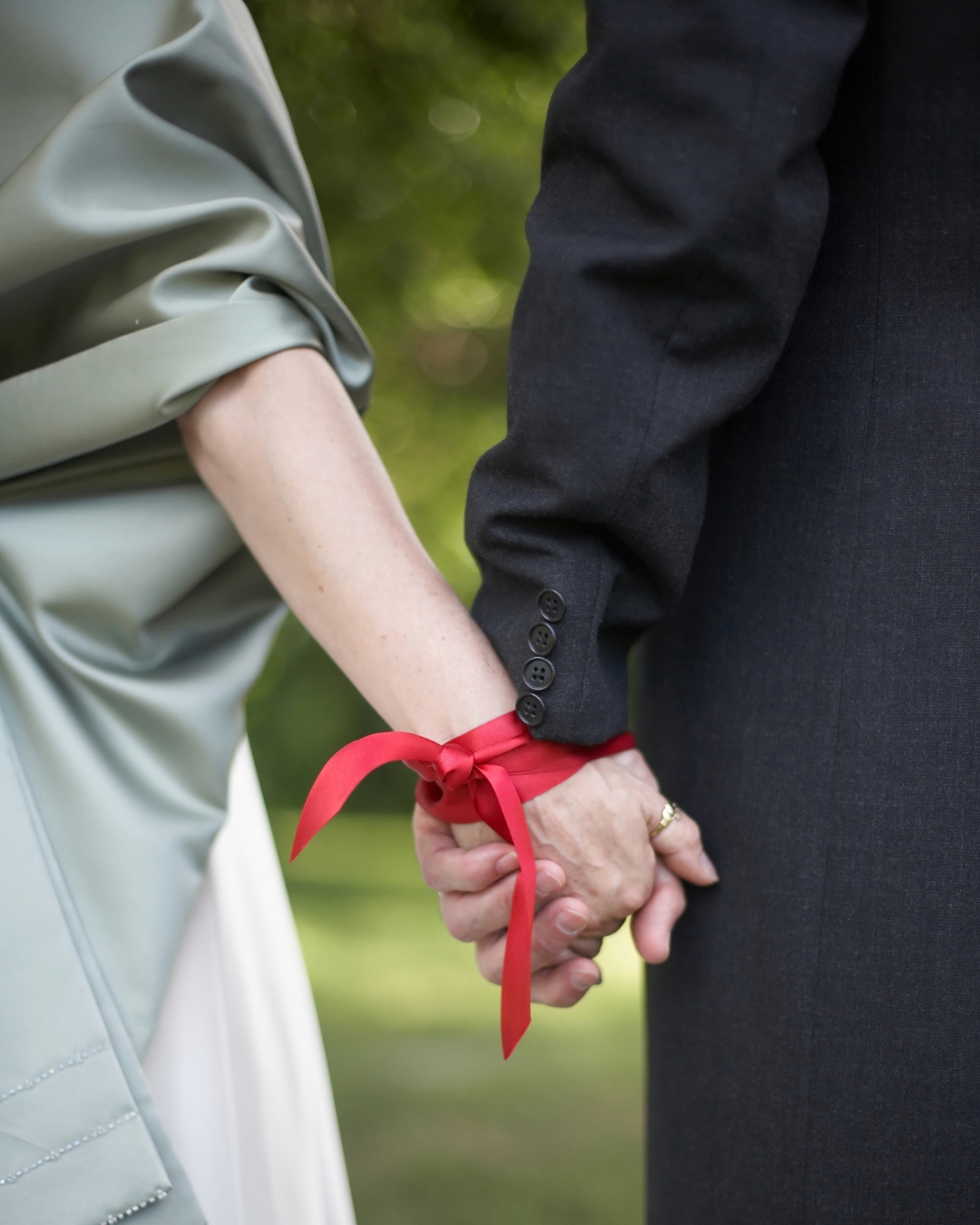
Handfasting is a spiritual tradition, often associated with Pagan paths, that echoes from a distant past. You can trace its footprints through a fascinating tapestry of ancient cultures, from Celtic and Norse societies to old Scottish customs and even certain Native American tribal practices.
The core of the ritual is timelessly simple: a couple’s hands are wrapped and tied with a cord or ribbon. In today’s world, it’s incredibly common for couples to weave personalized handfasting vows directly into their wedding or commitment celebration.
Viking Handfasting Ceremony
In the world of the Vikings, a handfasting functioned as a kind of trial marriage, a pact lasting a full year and a day. Partners would state their intention to wed before witnesses, clasp hands, and speak their vows.
For that designated period, they lived as husband and wife.
When the time was up, they had a clear choice: part ways amicably or solidify the bond into a permanent marriage. It was a deeply practical tradition allowing two people to truly test their compatibility before making a lifelong pledge.
Irish Handfasting Ceremony
The Irish handfasting ceremony carries a history stretching back to pre-Christian Ireland, a time when it was a common practice, especially in the countryside. Often, it served as a formal engagement, binding the couple for the traditional year and a day.
Many believe this very ritual is what gifted us the modern phrase “tying the knot.” Contemporary Irish handfasting continues to thrive as a beautiful, non-religious path for couples. It is also wonderfully adaptable, allowing you to shape it into a reflection of your own beliefs and values.
Pagan Handfasting Ceremony Script
A Pagan handfasting ceremony script is typically a love letter to nature, the spirit, and the joy of union. You can fill it with crafted blessings, personal vows, a ring exchange, and the sharing of deeply symbolic objects.
When you and your partner build your script, the aim is to create something that perfectly mirrors your shared spirituality.
Think about weaving in the symbolism of the natural world, the four elements, or specific deities that resonate with you. Finding guidance from an experienced Pagan practitioner or clergy member can be a wonderful source of support.
Celtic Handfasting Ceremony
Celtic handfasting ceremonies are a direct continuation of ancient traditions, lovingly preserved and adapted by modern Pagan communities. The ceremony is rich with Celtic mythology, a deep spiritual connection, and a vibrant celebration of the natural world.
You’ll often find elements like intricately knotted handfasting cords, spoken vows, rings, and the sharing of a cup of mead. If this path calls to you, consider incorporating Celtic knotwork into your decorations, the hauntingly beautiful sound of a harp or bodhrán, and meaningful nods to Celtic myths and gods.
Wiccan Handfasting Ceremony
A Wiccan handfasting ceremony can beautifully include invoking the four elements and casting a sacred circle before moving into vows and the exchange of rings. During the traditional rites, some couples feel called to add extra layers of ritual, perhaps by jumping a broom together or performing the binding under the magical glow of the moonlight.
The true heart of a Wiccan handfasting wedding ceremony is to honor the coming together of two people in a space that feels meaningful, respectful, and completely true to their shared spiritual journey.
How to Perform a Handfasting Ceremony?
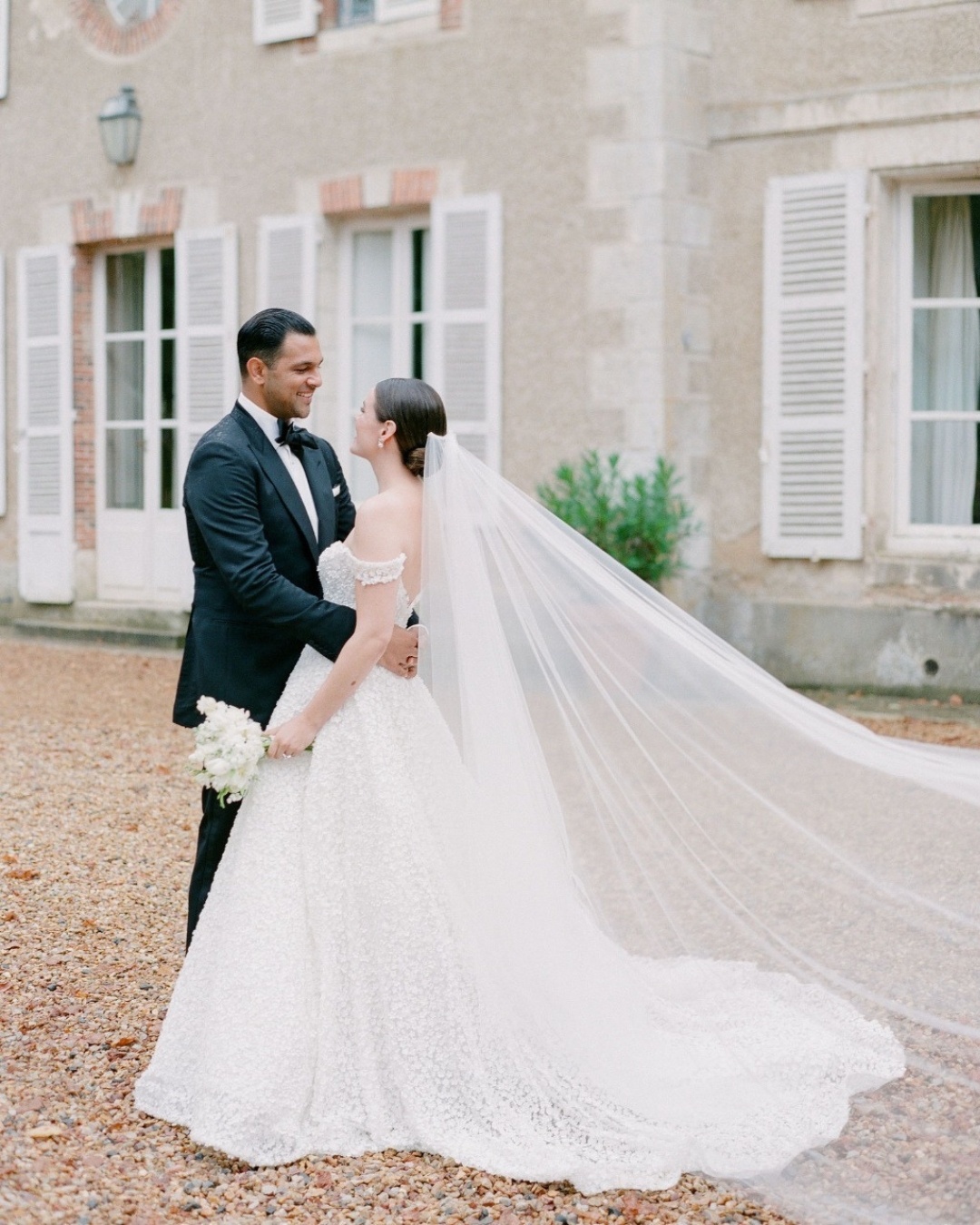
Here’s a step-by-step guide to lead you through the heart of your wedding ceremony handfasting:
- Set up the space: Find a quiet, comfortable spot and decorate it with candles, fresh flowers, and any other meaningful items that set a sacred and personal tone.
- Choose the cords: Select two cords of equal length, ideally made from natural fibers like wool or cotton, in colors that embody your personalities and shared values.
- Introduce the ceremony: Your officiant welcomes everyone and explains the deep significance of the handfasting, framing it as a powerful symbol of your unity and commitment.
- Bind the hands: Facing one another, you both hold out your hands. The officiant loosely drapes and ties the cords around your wrists in a figure-eight pattern, a visual representation of two lives merging into one intertwined flow.
- Exchange vows: This is your moment to speak your promises directly to each other, vowing to love, honor, and cherish one another on the path ahead.
- Release the hands: The officiant gently unties the cords, and your hands slip free. This act marks a conscious choice to be together and a profound trust placed in each other.
- Close the ceremony: The officiant brings the ceremony to a close with a final blessing or prayer, and you seal your new union with a kiss.
What to Say During the Ceremony?
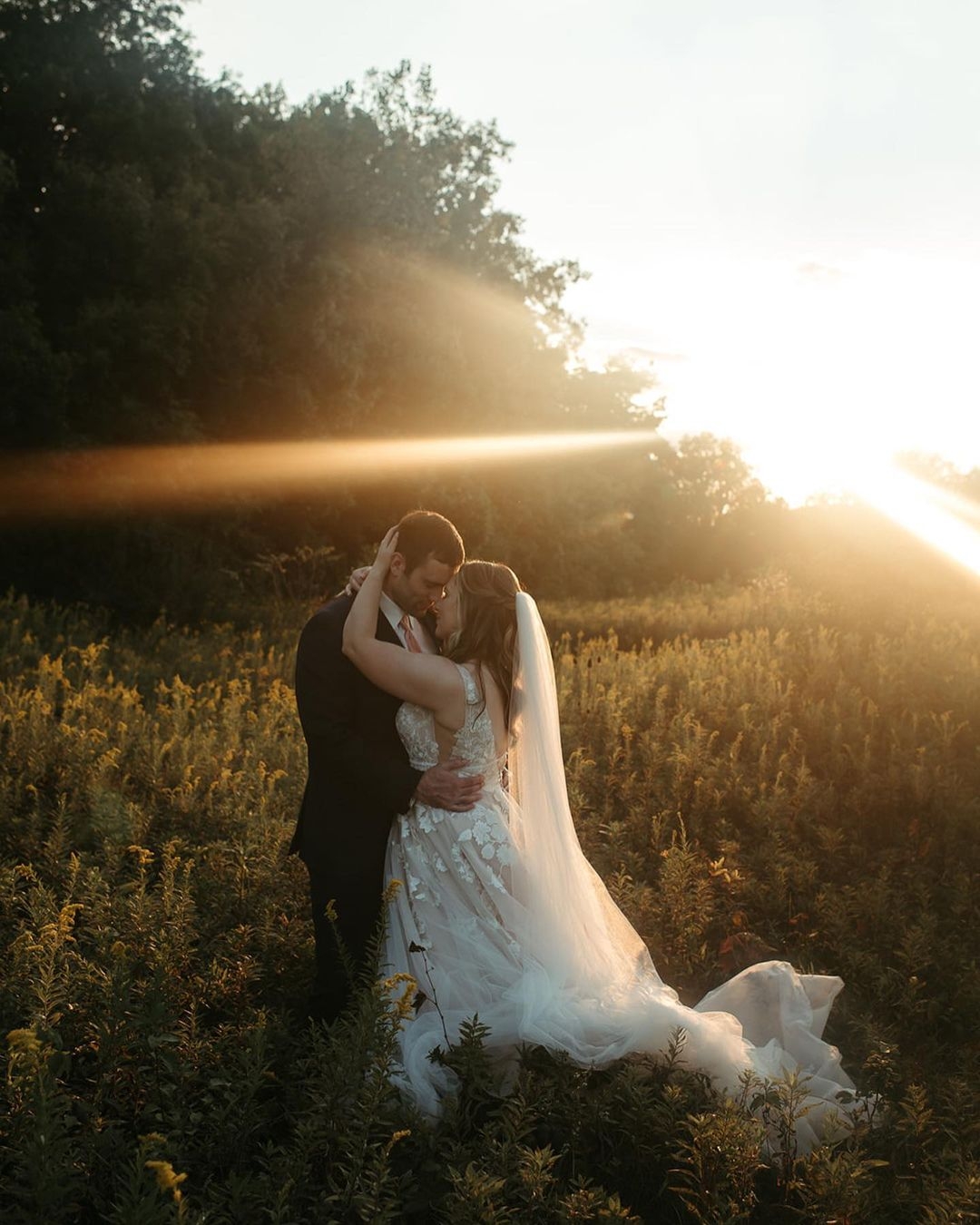
If you are putting together a handfasting ceremony wedding, knowing what words to wrap around the ritual is essential. Here are a few directions you can take:
- A declaration of love: You each share your truest feelings, speaking a heartfelt expression of love and deep appreciation for your partner right in that moment.
- Explanation of the ceremony: The officiant takes a moment to unpack the ancient symbolism of the handfasting, sharing its history and what it means for your commitment moving forward.
- Vows: This is where you voice your sacred promises, detailing how you will actively support, love, and show respect for one another through all the seasons of your lives.
- Ring exchange: You might choose to exchange rings here as a tangible symbol of your eternal love. Another beautiful option is a ring-warming ceremony, where your guests hold and bless the rings before you place them on each other’s fingers.
- Blessings: Your officiant or your loved ones gathered can offer a spoken blessing over your future, a hopeful call for happiness, boundless joy, and lasting prosperity.
- Closing: The ceremony draws to an end as the officiant shares final thoughts or wishes, then pronounces you as partners in life and invites you to seal the moment with a kiss.
How to Tie a Handfasting Knot?
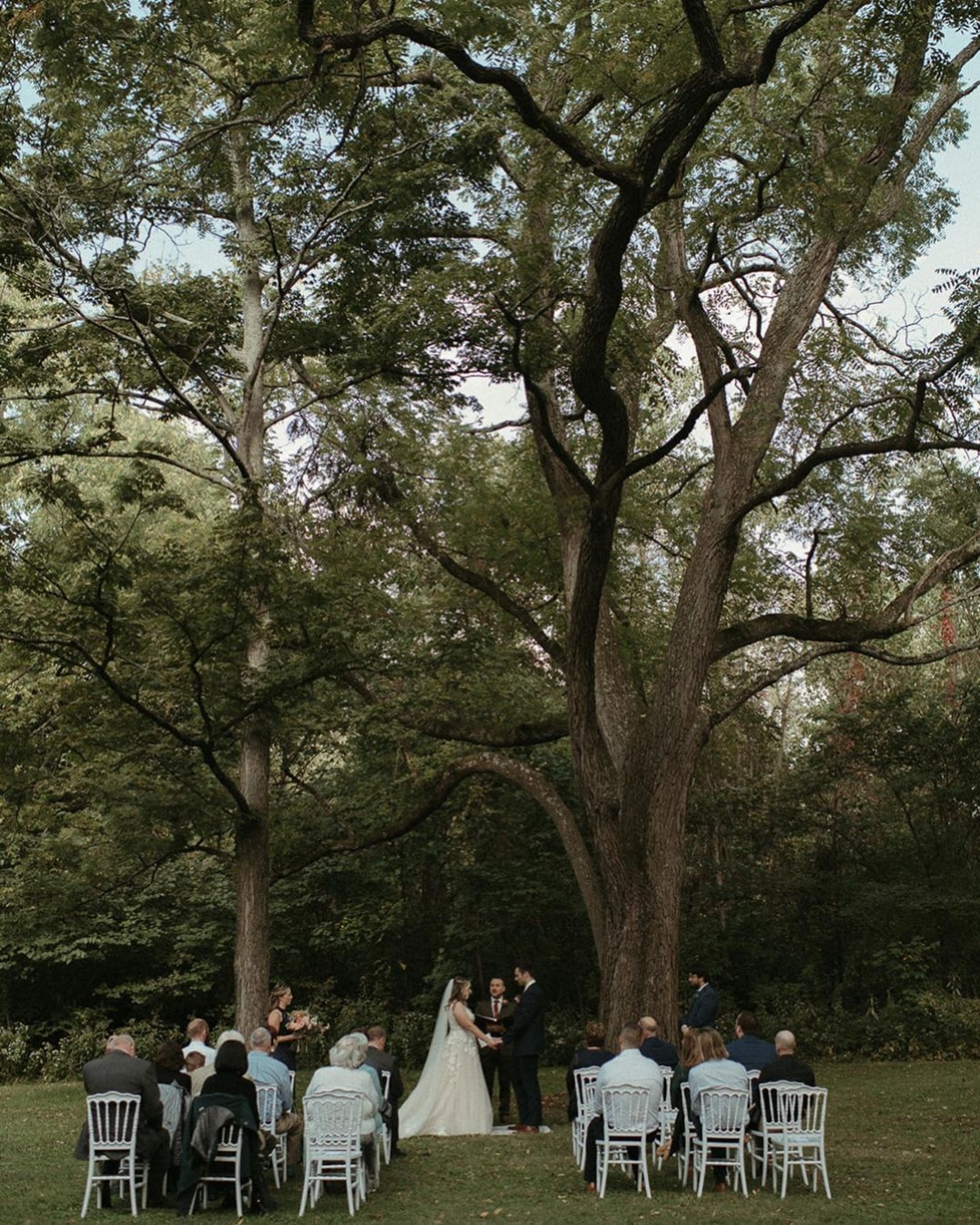
Tying the handfasting knot is a moment loaded with beauty and symbolism during the wedding ceremony. It begins with choosing two cords of the same length, in colors that resonate with your personal taste and values.
When the moment arrives, you’ll hold out your hands, and the officiant will gently wrap and loosely tie the cords around your wrists, forming a figure-eight pattern.
After the vows are spoken, the officiant carefully unites the knot. The release of your hands is a powerful gesture, signifying the deep trust you place in one another and your unwavering choice to walk through life together.
What Do the Colors of Handfasting Cords Mean?
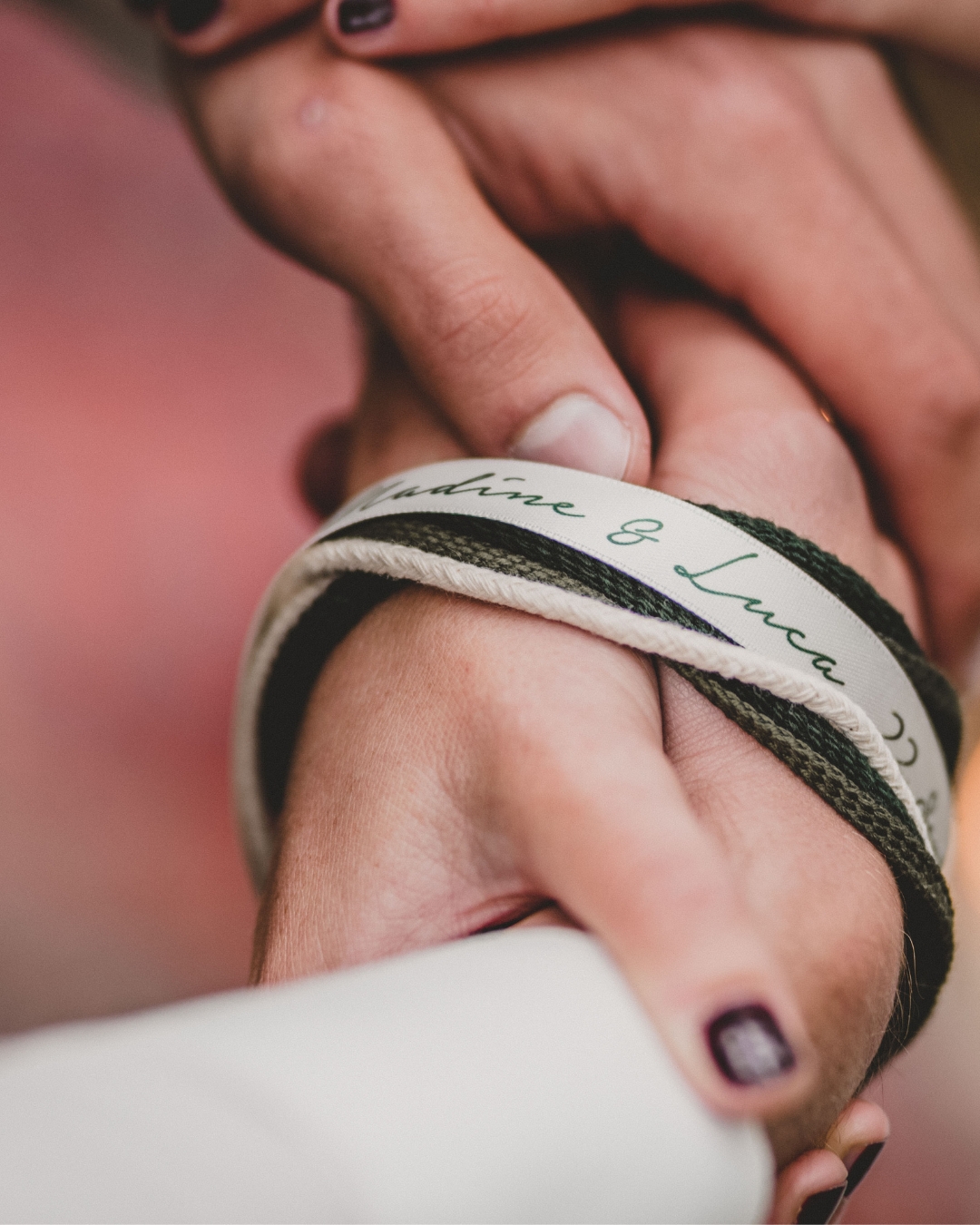
Every color of a handfasting cord carries its own special weight and meaning, and picking the right ones can add profound depth to your ceremony. Red symbolizes burning passion and deep love, while blue stands for fidelity and soul-deep devotion.
Green channels the energy of fertility, life, and new growth, whereas white represents pure intention, clarity, and the seamless unity of two spirits.
If you want a more creative touch, think about embellishing your cords with delicate rhinestones or intricate designs. The colors you select for your handfasting wedding ceremony become a unique and intentional reflection of the love and commitment you are pledging.
Handfasting Ceremony Vows
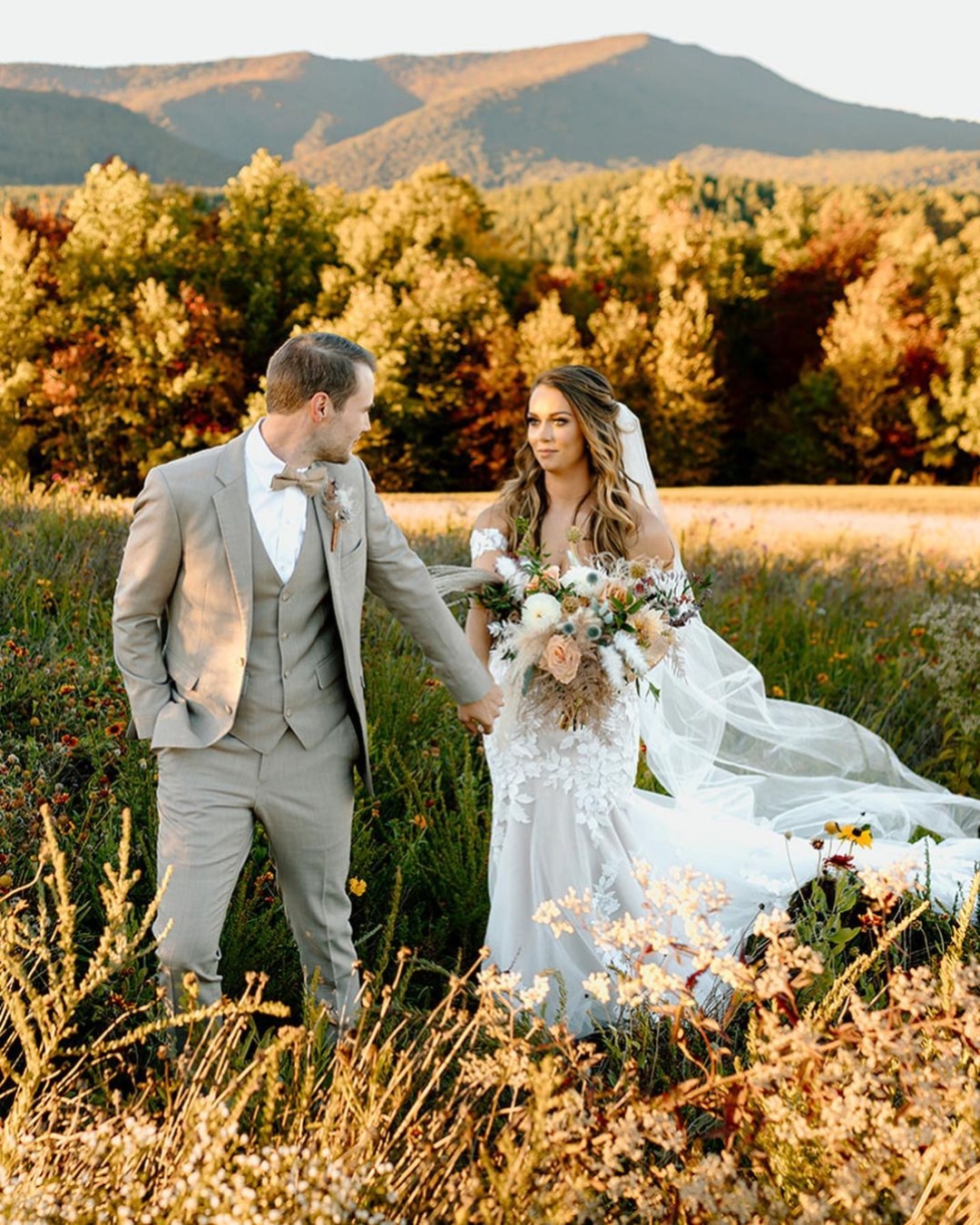
Within a handfasting ceremony, the promises you make become the very center of the ritual. These vows can be shaped and molded to perfectly fit your unique beliefs and shared values.
You can weave in promises to love unconditionally, to offer unwavering support, to always communicate with an open heart, and to face every mountain and valley as a united front. Here is a handful of examples:
“I vow to love you through every peak and valley life brings, to stand beside you as your partner, your confidant, and your greatest friend, and to champion your every dream and aspiration.”
“I promise to be a wellspring of honesty with you, and to put our combined strength against any challenge that appears before us. With this binding, I give you my love, now and for all of time.”
“With this binding, I offer myself to you without reservation, and I pledge that we will move through this world hand in hand, forevermore.”
If a handfasting ceremony is in your future, give yourselves ample time to thoughtfully plan every detail. This means choosing a meaningful location, deciding on symbols and rituals that resonate with your story, and finding the exact right officiant to guide the moment.
Through careful, heartfelt preparation, you can create the most magical ceremony imaginable.