


A wedding ceremony is one of those rare, heart filling moments where every detail seems to hum with meaning. Getting the flow of events just right makes all the difference, turning a simple gathering into something truly unforgettable for you, your partner, and every single guest in the seats.
This guide walks you through the classic wedding ceremony order, piece by piece, so you can map out a celebration that feels seamless from the first note of music to the final joyful exit.
So maybe this is the perfect addition to your wedding planning timeline?
Traditional Ceremony Order?
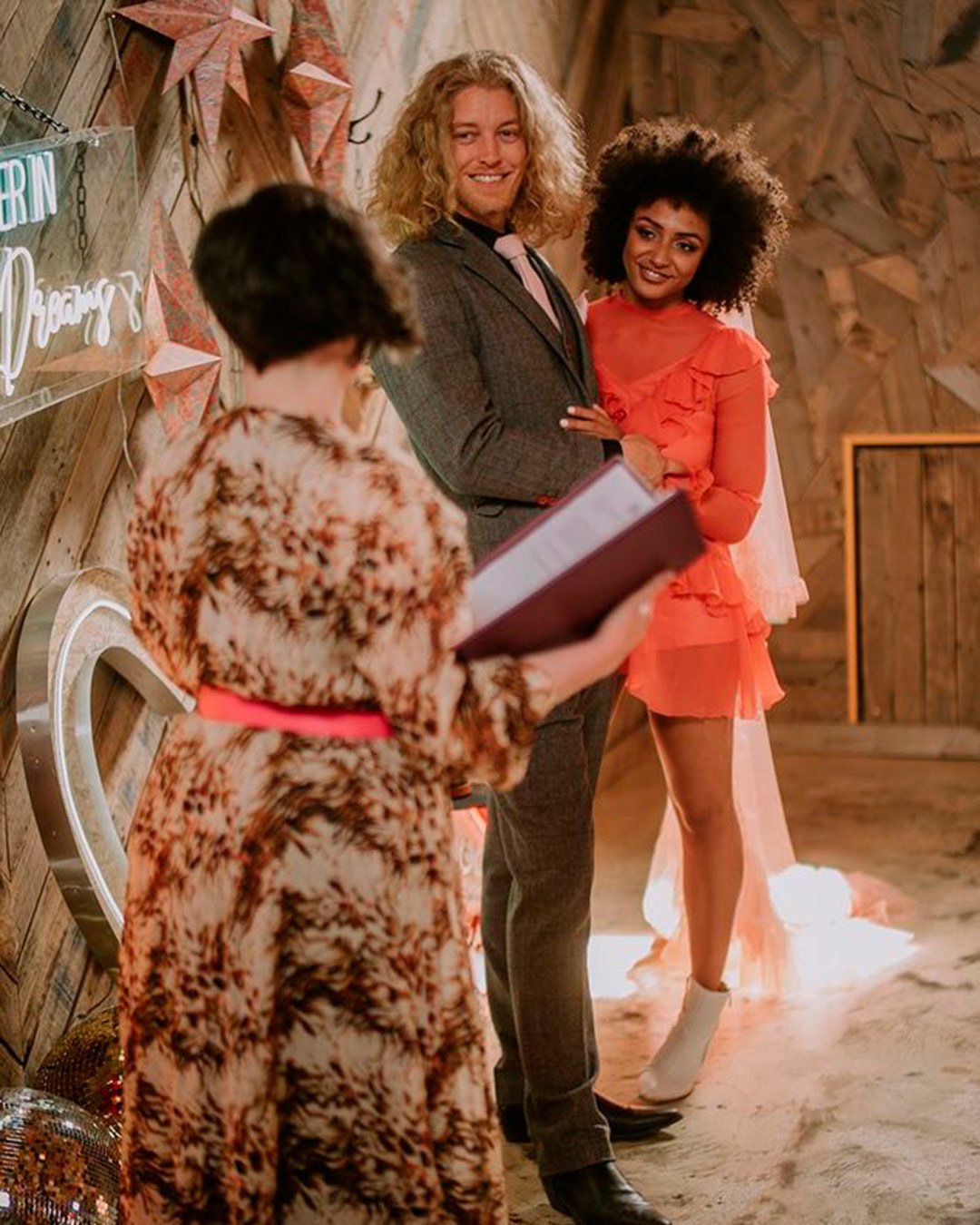
Broadly speaking, a well structured wedding ceremony makes space to honor several important people. Beyond the guests and the central couple, a standard ceremony often features bridesmaids, a maid of honor, the best man, groomsmen, flower girls, a ring bearer, and the parents of the couple.
The following steps map out the essential bones of a typical wedding ceremony order of service, much like you would see in wedding schedule templates.
- Procession: The moment the bride is ready, entrance music begins and everyone rises to their feet, welcoming her in.
- Bridal Entrance: Typically, the flower girl and ring bearer start the walk, followed by the maid of honor and bridesmaids. The bride enters last, walking on the arm of her father or a chosen male representative.
- Welcome/Introduction: The officiant steps forward to say a few words about the couple, deliver a short reflection on marriage, and then ask the gathering if anyone objects to the union, pausing just long enough for a response or the beautiful sound of silence.
- Vows Exchange: The two of you turn toward each other and make your promises, often repeating the phrases offered by the minister.
- Exchange of Rings: The ring bearer presents the rings, and more vows are spoken, with each person repeating after the officiant before slipping a ring onto the other’s finger.
- Man and Wife: A brief, joyful declaration from the officiant announces you as husband and wife. Right then, the groom kisses the bride while the room erupts in applause.
- Exit: The newly married couple signs the marriage register, which clarifies the whole question of what a marriage license really is. Then comes the recessional, a triumphant walk back up the aisle and out into the celebration.
Wedding Ceremony Processional Order
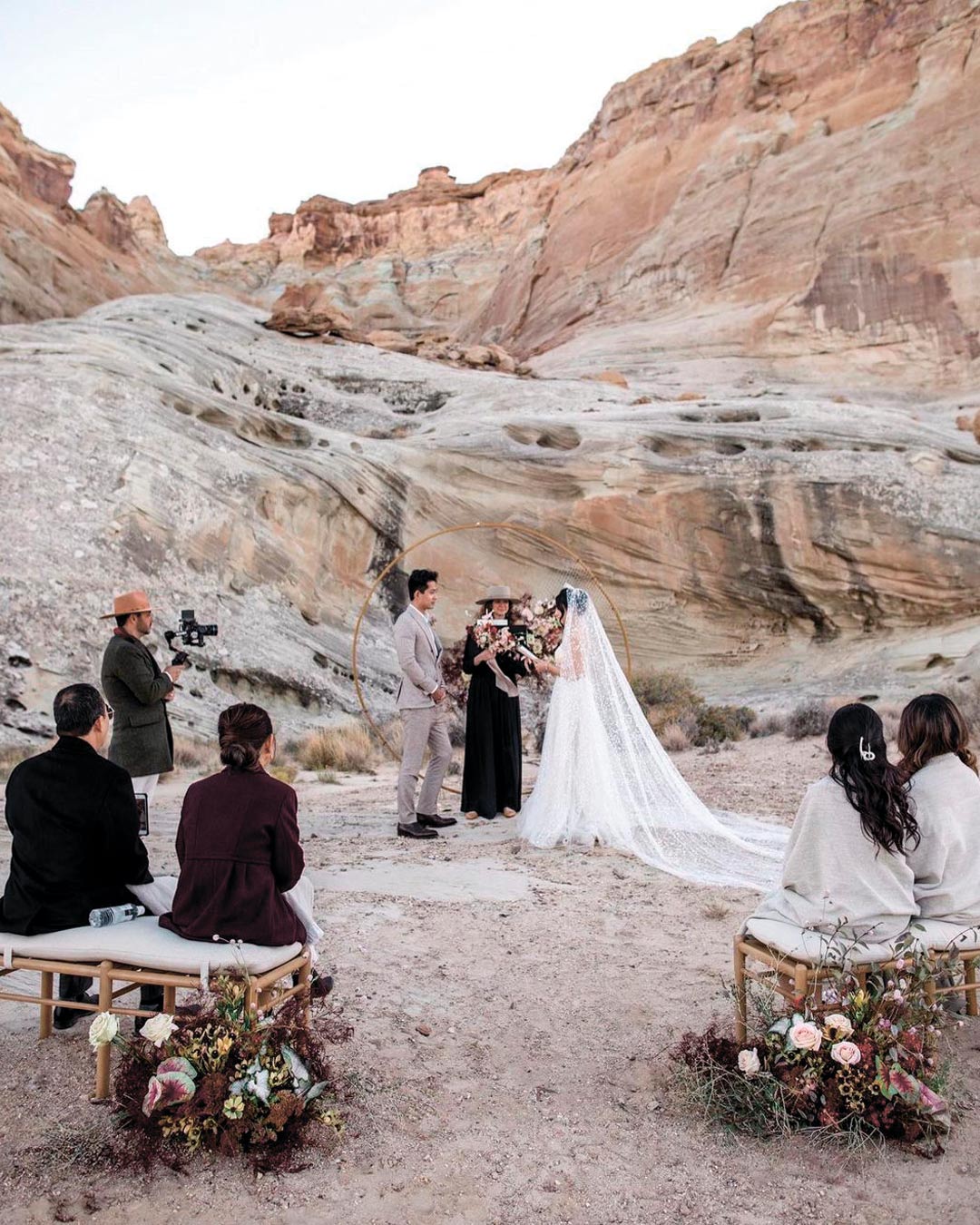
The processional order at a wedding can shift based on personal taste, cultural or religious customs, and the size of your wedding party. Still, for a traditional Western style ceremony, here is a general roadmap for the walk down the aisle:
- The Officiant: The officiant walks in first and takes their place up front.
- The Groom: The groom enters next, usually with his best man beside him, and moves to his spot at the altar.
- The Parents of the Bride: The mother of the bride is generally escorted by an usher and seated in the front row.
- The Wedding Party: Bridesmaids and groomsmen make their way down the aisle in pairs, and they typically fan out on either side of the altar.
- The Maid or Matron of Honor: She walks solo, right after the wedding party.
- The Flower Girl and Ring Bearer: If little ones are part of the celebration, they follow next, usually walking together.
- The Bride: Finally, the bride makes her entrance, typically escorted by her father or another beloved family member. She walks toward the altar, where the groom is waiting.
Keep in mind that the ceremony wedding order is wonderfully bendable, and you can reshape it however you like. Maybe the groomsmen and bridesmaids enter separately, or perhaps the flower girl and ring bearer stroll down the aisle one at a time.
Guide Yourself Through Parts Of A Civil Wedding
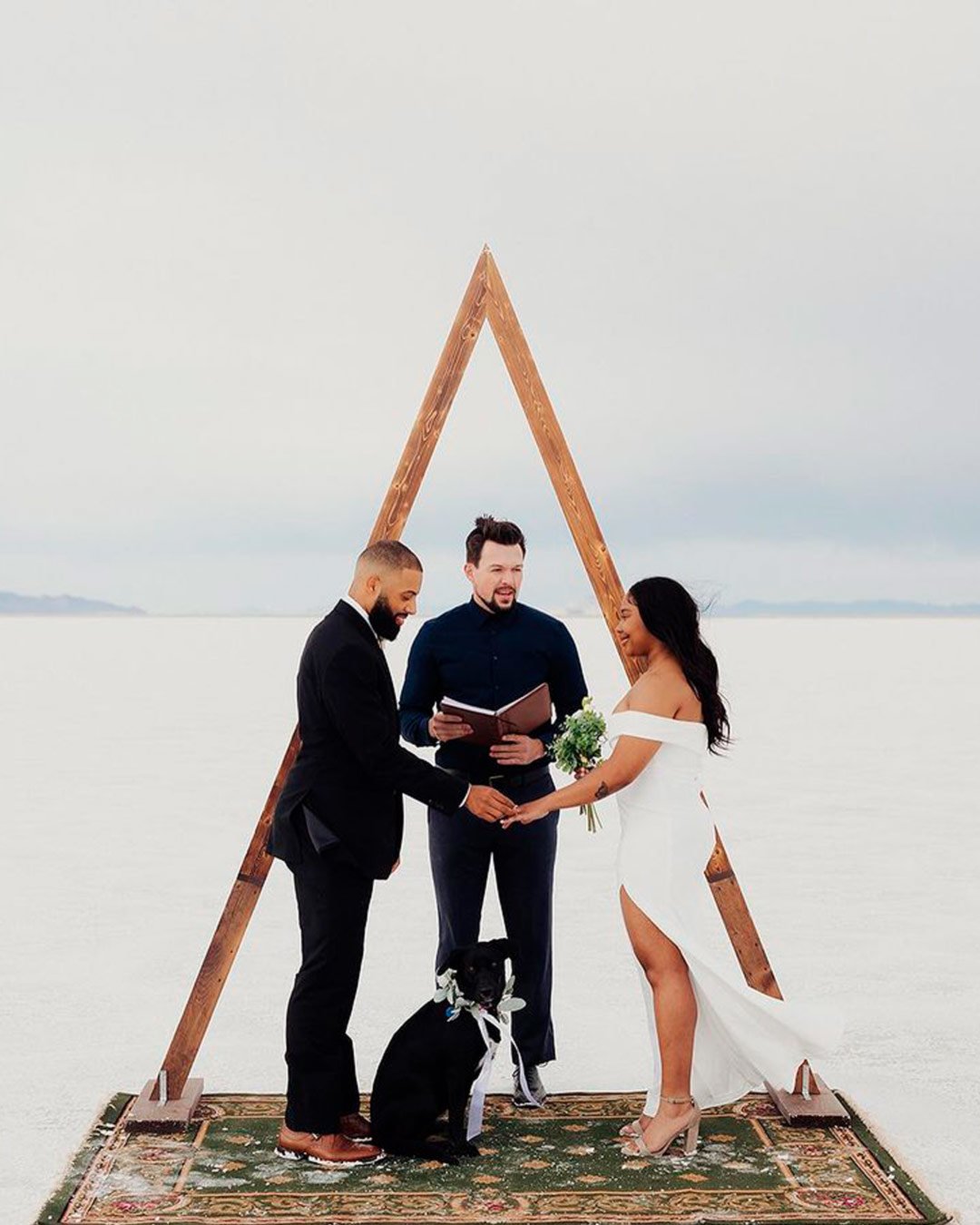
A civil service can sometimes get a reputation for feeling a bit impersonal or flat, but it absolutely doesn’t have to be that way. You can weave personal touches into parts of a wedding, transforming it entirely into your own thing.
There might not be a huge gap between ms and miss in daily life, but there can certainly be a world of difference between your ceremony and everyone else’s.
- Prelude (Optional): Soft music plays as guests find their seats and settle in.
- Procession: Music signals the bride’s arrival, and everyone stands.
- Bridal Entrance: The bridal party walks in, followed by the bride.
- Welcome/Introduction: The officiant shares a few thoughts about the couple and about marriage.
- Reading: (Optional)
- Music (Optional): A soloist might perform a song, or light instrumental music continues in the background.
- Vows Exchange: The couple looks at each other and speaks their vows.
- Exchange of Rings: Rings are placed on fingers.
- Rose Ceremony (Optional): In some ceremonies, the couple exchanges roses and may also offer them to parents and family members.
- Man and Wife: The officiant pronounces them married.
- Exit: The ceremony wraps up, and the couple and bridal party walk out. They are now Mr. and Mrs., and the bride won’t need to worry about navigating how to change her name right away.
Religious Wedding Order Of Events
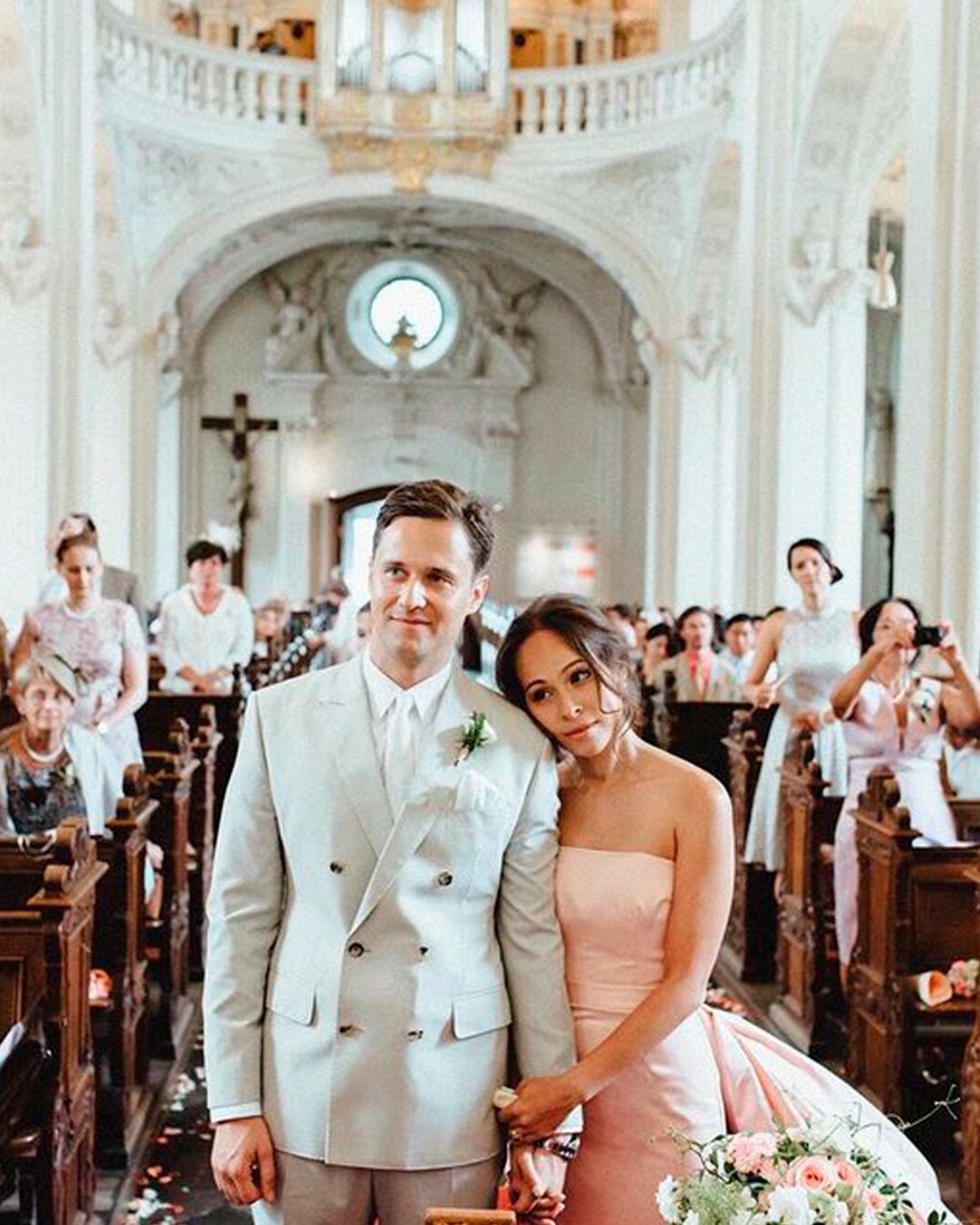
Within a religious setting, the order of the wedding ceremony generally follows the guidelines and traditions of that particular faith.
Traditional Jewish Wedding Ceremony Order
- Kabbalat Panim: Guests are welcomed warmly.
- Bedeken: The groom veils the bride.
- Chuppah: Processional, the bride’s entrance, and then standing together under the chuppah.
- Betrothal Blessings: The rings are exchanged and the ketubah, the marriage contract, is read aloud.
- Sheva B’rachot: The seven blessings are recited and the cup of wine is shared.
- Breaking of the Glass: The groom shatters a glass with his foot.
- Yichud: The couple spends a few private moments alone together.
- Reception and Celebrations: Mazel tov rings out, congratulations pour in, and a festive meal with dancing follows.
Jewish wedding ceremonies can unfold with lovely variations based on custom and personal taste.
Hindu Wedding Ceremony Order
Pre-Wedding Rituals:
- Ganesh Puja: An invocation to Lord Ganesha.
- Varapuja: The groom’s feet are washed.
The arrival of the Groom:
- Baraat: The groom makes a grand entrance surrounded by family and friends.
Welcome of the Bride:
- Swagatam: The bride arrives and receives a traditional welcome.
- Aarti: The groom’s mother performs a ritual lamp waving ceremony.
Mandap Ceremony:
- Kanya Aagaman: The bride moves toward the mandap.
- Jaimala: The couple exchanges garlands.
Vedic Rituals:
- Kanyadaan: The bride’s parents give her hand to the groom.
- Panigrahana: The groom holds the bride’s hand.
- Saptapadi: Taking the seven sacred steps around the fire together.
Mangalsutra and Sindoor:
- Mangalsutra: The groom fastens a sacred necklace.
- Sindoor: Vermillion is applied to the bride’s hair.
Blessings and Prayers:
- Ashirvad: Elders bestow blessings on the couple.
- Mangal Aarti: A sacred fire ritual paired with devotional songs.
Wedding Reception:
- A celebratory feast with cultural performances.
Hindu wedding ceremonies can differ beautifully depending on regional customs and personal desires.
Traditional Christian Wedding Ceremony Order
- Prelude: A musical introduction sets the atmosphere.
- Processional: Family members are seated, and the bridal party and bride enter.
- Welcome and Opening Remarks: The officiant greets everyone and offers an opening prayer.
- Reading(s) and Sermon: Scripture passages are read, followed by a sermon on love and marriage.
- Exchange of Vows: The couple declares their commitment, reciting personalized vows.
- Exchange of Rings: The rings are blessed and then exchanged.
- Unity Ceremony (optional): A symbolic gesture represents the merging of two lives.
- Pronouncement and Blessing: The officiant pronounces them married and offers a blessing.
- Recessional: The newlyweds and guests exit to joyful music.
Christian wedding ceremonies often feature variations shaped by denomination and personal preference.
Same-Sex Ceremony Order
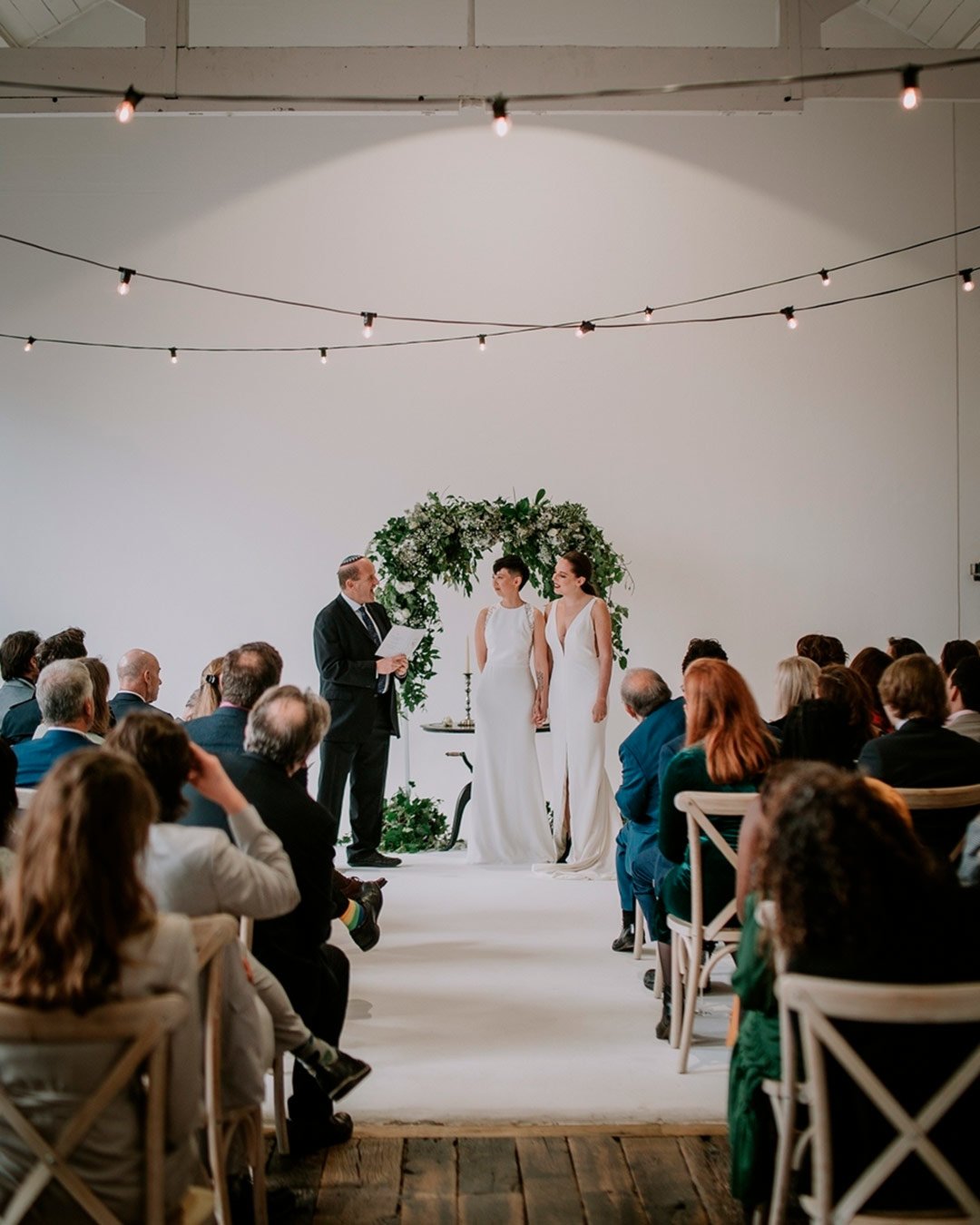
Same-sex marriage ceremonies can step a little differently than heterosexual ones. Both partners might choose to walk down the aisle together, or one may walk in alongside the groom.
Another lovely option is for each partner to enter one after the other, accompanied by one or both parents.
- Word of welcome: The welcome address usually kicks off the wedding ceremony outline. The officiant greets everyone warmly, introduces the couple, and names the union everyone has come to witness.
- Reading: Whether your blueprint is a traditional wedding ceremony outline or a Christian one, the options for a reading are wide open. It might be prayers, a sacred passage, meaningful quotes, or favorite poems, all delivered by chosen guests.
- The expression of intent: This is the moment in the wedding ceremony layout where you each agree to marry the other. Often called the declaration of intent, this is where you say your “I do’s”.
- The affirmation of family and friends: During this part of the wedding procedure, the officiant asks the guests to voice their blessing of the union and then shares that response with the couple.
- The exchange of vows: With readings and affirmations complete, the wedding ceremony schedule moves into the vow exchange. This is your promise to each other, whether you use the standard words from a traditional ceremony or vows you wrote yourselves.
- The giving and receiving of rings: After the vows, in the typical wedding ceremony structure, you place the wedding rings on each other’s fingers. This moment symbolizes the very start of your shared life. A few additional words might be spoken during the ring exchange.
- Affirmation of the marriage: The kiss is the affirmation of the marriage in the wedding program order of service. The officiant says something akin to, “I now pronounce you husband and husband, wife and wife, or husband and wife,” and then invites you to seal the marriage with a kiss. That kiss officially declares your union before your friends, your family, everyone you hold close.
- Declaration of Marriage: Once the kiss has sealed the deal, the officiant officially declares you married. In a religious service, closing prayers might follow, or the officiant may offer the couple a few words of encouragement in a non-religious setting.
- Signing of the Marriage Register: This step in a typical wedding ceremony signals the end, or near end, of the formalities. The couple, the registrar, and their witnesses take turns signing the marriage register.
- Introduction of the couple: Just like a standard wedding ceremony, you are officially introduced to your guests as a married pair. The ceremony is complete, and the union is a done deal.
Alternative Wedding Ceremony Orders
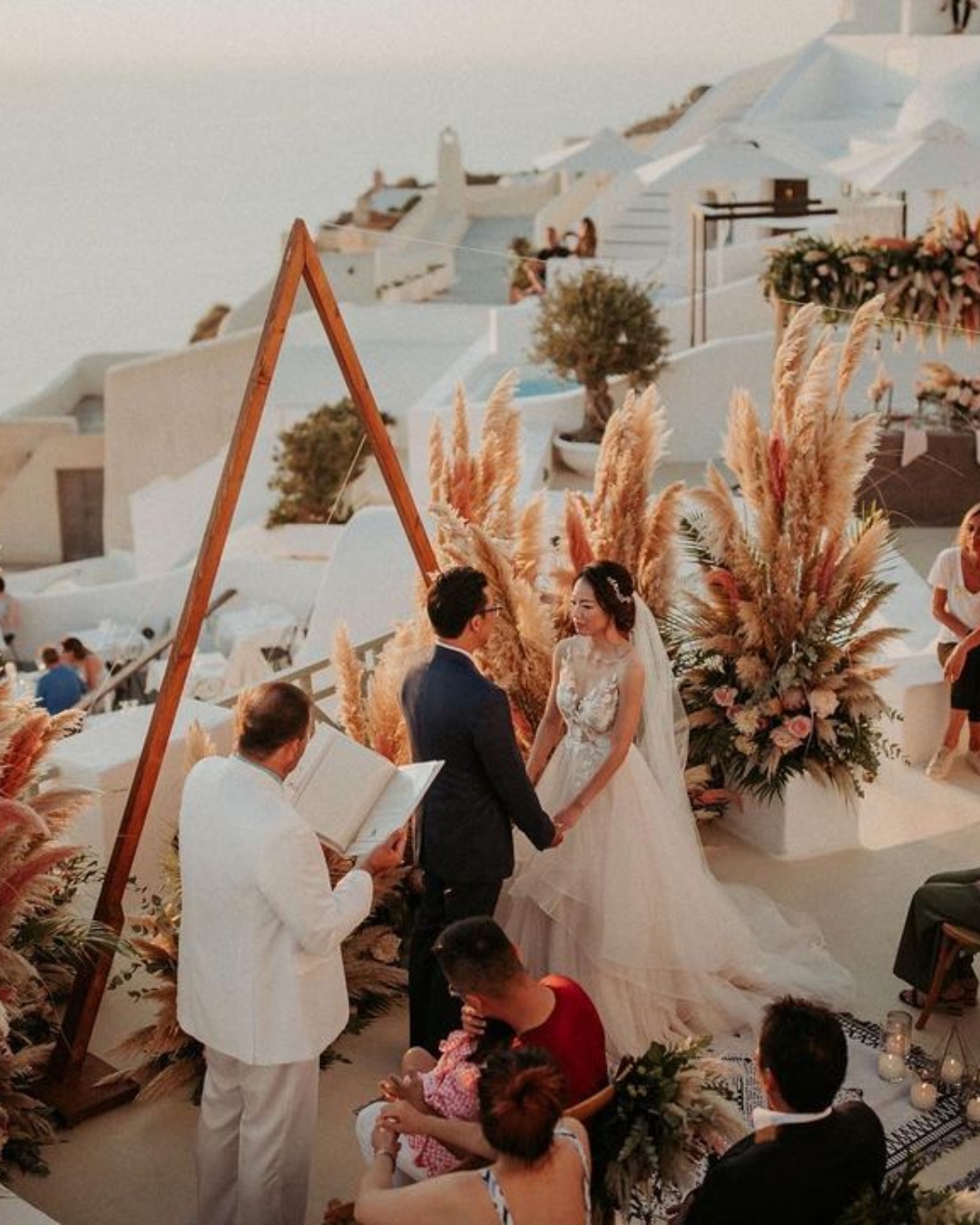
When it comes right down to it, there is no single fixed or “correct” order you must stick to. The structure and rhythm of a wedding ceremony can be completely tailored to the values and preferences of the couple getting married.
Here are a few alternative wedding ceremony orders to play with:
Non-Traditional Order
- Processional: The couple walks in together, or each partner enters separately.
- Welcome/Greeting: The officiant welcomes everyone and names the reason for gathering.
- Readings/Music: Weave in readings, poems, or musical performances that hold deep meaning for you both.
- Personal Vows: The couple shares the personalized vows they wrote for each other.
- Exchange of Rings: Wedding rings are exchanged as a symbol of commitment.
- Unity Ritual: A unity ceremony takes place, perhaps a sand ceremony or planting a tree, symbolizing the merging of your lives.
- Pronouncement of Marriage: The officiant declares you married and introduces you as a couple.
- Recessional: The couple and the wedding party exit together.
Circle Ceremony
Arrange chairs in a circle to foster an intimate and warmly inclusive feeling.
- Opening Blessing or Invocation: Start with a spiritual or secular blessing that sets the ceremony’s tone.
- Sharing Circle: Guests are invited to share stories, blessings, or heartfelt well wishes for the couple.
- Personal Vows: The couple speaks their vows in the center of the circle or facing each other.
- Ring Exchange: Rings are exchanged while guests offer silent blessings or words of support.
- Group Blessing: Everyone joins in a collective blessing or prayer for the couple.
- Pronouncement of Marriage: The officiant declares the couple married, and the entire circle celebrates with applause or a joyful activity.
- Closing Ritual: Close out the ceremony with a symbolic gesture, maybe a group hug or a release of balloons.
Modern and Creative
- Prelude: Modern, upbeat music fills the air as guests arrive.
- Surprise Entrance: The couple makes a surprise entrance, maybe through a choreographed dance or some delightfully unconventional means.
- Welcome Address: The officiant delivers a lighthearted, deeply personalized welcome, tossing out anecdotes about the couple.
- Love Story: A friend or family member narrates the couple’s love story, complete with funny and heartwarming moments.
- Surprise Performances: Surprise musical or dance performances by talented friends or pros pop into the lineup.
- Vows and Promises: The couple shares vows, promises, or personal statements about their love and commitment.
- Symbolic Gestures: Unique and creative symbolic acts unfold, such as releasing butterflies or planting a tree.
- Pronouncement and Celebration: The officiant declares the couple married, and the celebration kicks off instantly with music, confetti, or other festive bursts.
Remember, these are simply starting points, and you can mix and match pieces to build a ceremony order that hums with your personalities and desires. Go ahead and add or leave out any traditional elements based on what feels right.
Factors to Consider When Crafting the Ceremony Order
Building your ceremony order takes thoughtful attention to keep the entire experience smooth and full of meaning. Here are a number of factors to hold close when mapping out the flow:
- Tradition and Cultural Significance: Consider any traditional or cultural practices that matter deeply to the couple or their families. Bring in rituals or customs that carry special weight to create a ceremony that feels both personalized and welcoming.
- Couple’s Preferences: Get clear on the couple’s vision and what they really want. Talk it through so you can pinpoint specific elements they hope to include, whether that is particular readings, a certain style of vows, or special music.
- Venue and Logistics: Keep the layout and practical logistics of the space in mind. Find the most natural flow for the ceremony so it works comfortably within the venue, the seating arrangement, and any equipment or props that are needed.
- Officiant’s Guidance: Work closely with the chosen officiant to understand their style and approach. They can offer truly valuable insights into the ceremony order, drawn from their experience and expertise.
- Welcome and Introduction: Open the ceremony with a genuine, warm welcome that sets the whole tone. Introduce the officiant, the couple, and any key individuals, like parents or very close family members.
- Opening Remarks: Include opening words that echo the couple’s story, values, and the deep significance of the day. This is a beautiful chance to spotlight their journey and express gratitude for the presence of family and friends.
- Readings or Performances: Bring in readings, poems, or musical performances that hold meaning for the couple. Friends, family members, or professional performers can do these. Choose pieces that reflect their personalities and mirror their love and commitment.
- Vows and Ring Exchange: The exchange of vows and rings is the beating heart of the ceremony. Decide whether the couple will recite traditional vows or share words they wrote themselves, and settle on the order they will follow. Think about any rituals that might unfold during this portion, like handfasting or lighting a unity candle.
- Special Ceremonial Elements: If the couple’s heart leans toward it, include special elements like a sand ceremony, planting a tree, or a cultural ritual that symbolizes unity, love, or commitment. These touches add a personal stamp and create a deeply memorable experience.
- Pronouncement and Kiss: Let the ceremony crest with the officiant’s pronouncement of marriage and that iconic kiss. This seals the official union and celebrates your love.
- Closing Remarks and Blessings: Wrap up the ceremony with closing words that express well wishes and offer blessings for the couple’s future together. This is also the perfect moment to thank the guests for being there and invite them onward to the reception.
These factors are gentle guideposts, and the specific ceremony order will always depend on the couple’s preferences, cultural traditions, and the overall feeling they want to create. Flexibility and open conversation with the couple will help shape a ceremony that truly reflects their one of a kind love story.